
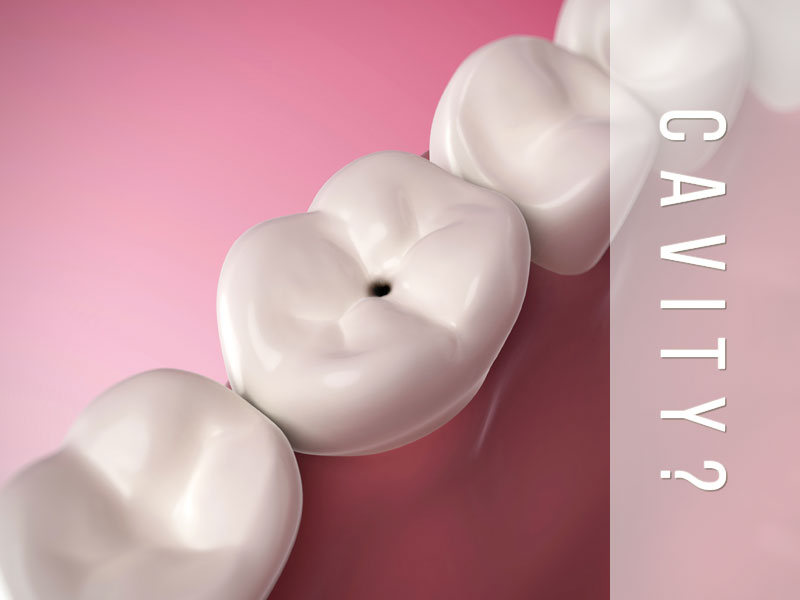
Have you ever wondered why some dentists will tell you that you have cavities that need to be filled while others will tell you to just ‘watch’ them? This could be due to many different reasons that we will get into shortly. First let us go over a few basic concepts.
Tooth Structure
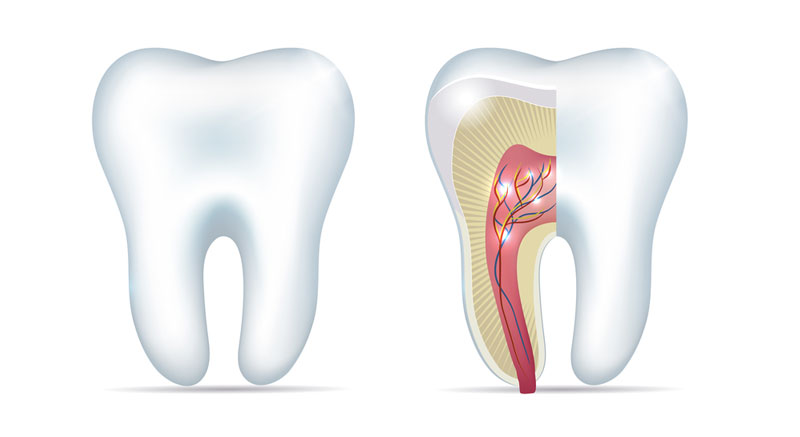
Any healthy tooth is comprised of 3 different layers.
-
Enamel
The first (outer) layer is enamel. Enamel is the hardest structure in the human body (stronger than bone!). In a healthy tooth it is the only layer you see.
-
Dentin
The second layer is dentin, which is significantly softer and yellower in color than enamel. Dentin is under the enamel and made of living tissue and small microscopic tubes (called dentinal tubules), which are responsible for that shooting zinger pains you may feel after bleaching.
-
Pulp Chamber
The 3rd layer, which is the inner most layer of the tooth is the pulp chamber. The pulp chamber is made of soft living tissue, cells, and houses the nerve of the tooth.
You can clearly see these 3 different layers on the x-rays your dentist takes in the office. Next time you are in for your exam ask them to point these layers out for you on the x-ray for a quick show and tell.
How did I Get a Cavity?
Cavities start due to the combination of bacteria in your mouth and sugars in your food that form an acidic byproduct which attach to your teeth and start eating its way into the tooth.
The first sign of a cavity is usually a small entry spot. This tiny spot grows over time and becomes more troublesome if not properly taken care of.
Initially you will not feel any pain or sensitivity from a new cavity. The pain starts when the cavity works its way past the enamel and into the dentin where it can spread quicker and work its way towards the pulp chamber.
Here Comes The Pain!

When dentin becomes exposed, all sorts of things that never caused any pain or sensitivity can become quite painful. The dentinal tubules start to allow things like cold ice cream or hot soup to agitate the nerve in your tooth, which in turn causes shooting pain.
Most dentists will not advise you to fill a cavity that appears as a slight shadow on the x-ray within only the enamel. Once this triangular shadow reaches the line connecting the enamel and the dentin, your dentists should recommend to get the filling.
The reason for this isn’t just so you can ‘watch’ the cavity get bigger, but as long as it is only in the enamel, proper brushing, flossing and fluoride care can possibly stop the small lesion from growing.
This is the case for cavities developing in between the teeth. There are other areas where cavities can form, such as on the chewing surface of the tooth or in the grooves on the cheek side or tongue side of the tooth. In certain instances a cavity may even form right at or beneath the gum line on the root of the tooth.
How Can I Tell if I have a Cavity and Not Just a Stain?
Ways you can tell if this is actually a cavity and not just a stain:
- There is a hole in the tooth
- The cavity shows up on a Dental x-ray
- If the area is sticky and soft to touch by a dental explorer.
Cavities & Children
In children’s teeth, extra caution is taken when a cavity is seen because baby teeth are significantly softer than adult teeth and cavities spread a lot faster. So, most dentists will take a more cautious approach and address it rather than ‘watch’ it.
As with most dental problems, cavities are not painful and do not exhibit symptoms until it progresses to the point where it is more difficult and expensive to treat.
We know the science behind teeth and how to keep them healthy. Nobody wants to hear that they have a cavity when they come to the dentist, but keep in mind that taking care of your teeth and addressing these issues while they are small will save you a lot of time, money and potential pain in the future. Be sure to keep up with your 6 month cleanings and feel free to ask your dentist or hygienist any questions regarding your oral health.
